
By Patricia Betts – As I approached the end of my internship, I had many discussions with the Yukon Human Rights Commission’s Legal Counsels and Director to discuss what I had learned over the course of my internship. Of course, I learned a lot substantively about human rights law in Yukon and across Canada. I read several cases, statutes, and regulations from jurisdictions across Canada in the research I did for settlements, hearings, internal policy developments, and case analyses (a part of the Commission’s investigation process). I learned how to effectively use Westlaw and CanLII to find cases and statutes that were relevant. I learned to work more independently, but also how and when to ask questions to work efficiently. I learned how to balance and prioritize when working on many projects at the same time. However, I felt these were all skills I could have learned in any legal position this summer.
I think the most important thing that I learned though is not so much substantive law, but rather a change in perspective. Coming into the Commission, I saw human rights in a black and white lens. I saw big bad corporations/organizations/governments/people violating human rights laws, and poor, innocent victims of these violations. What I have come to learn, though, is that these categories do not always stand true. The reality is that human rights law is much more complex than that. Of course, there are big bad players in the game who try to get away with things, but it seemed to me most violations were not overt, big grand discriminatory gestures, but small acts that could sometimes have big consequences, or even consequences resulting from differing interpretations of an event, or misunderstandings of the law. Often the respondent has no idea they had done anything wrong until they are notified of the complaint, and even then, they sometimes don’t understand how what they did is or could be wrong. Discriminatory acts are not always intentional or egregious, and it can take a lot of work to prove that something is or is not discriminatory.
Sometimes complainants make complaints feeling that they have been discriminated against when in reality no (legal) discrimination occurred. That is not to say that nothing bad happened to them, but that what happened does not meet the legal test for discrimination.
Sometimes the same action in one context is discriminatory, but in another context is not. Oftentimes, the analysis and investigation done by Human Rights officers, Legal Counsel, and other staff at the Commission is far from straightforward, and is always highly fact and context dependent.
My point is that there is not always a clearly defined “bad guy” or “victim”. This point was really driven home for me while I was working on a research project to help the Commission develop a settlement policy. It was in this research that I came across the principal of “do no harm” during settlement discussions and investigation of alleged violations. The principle applies to all parties, and investigators, legal counsel, and mediators should endeavour to not cause harm to any parties throughout the process, a goal often best achieved through the less formal, not adversarial settlement/mediation/conciliation process. The idea is that a human rights complaint is a bad situation for all involved, not just the alleged “victim”.
I find myself extremely fortunate to have learned these lessons and know that I will benefit in my future endeavours from this change in perspective. I really appreciate the opportunity that I had in this internship to learn and grow in so many ways.
I loved my overall experience working in an excellent office with amazing colleagues to work with and learn from throughout my three months. It was an absolute pleasure.
During my time in the Yukon, I met several amazing people, had many adventures, including surviving the Dempster highway (despite getting a flat tire), a trip to Dawson, camping in Tombstone Territorial Park, hiking in Kluane National Park, and several local hiking trails around Whitehorse. I made friends, explored, learned a lot about the field of human rights law, and a lot about myself in the process. It was an absolutely amazing experience all around.
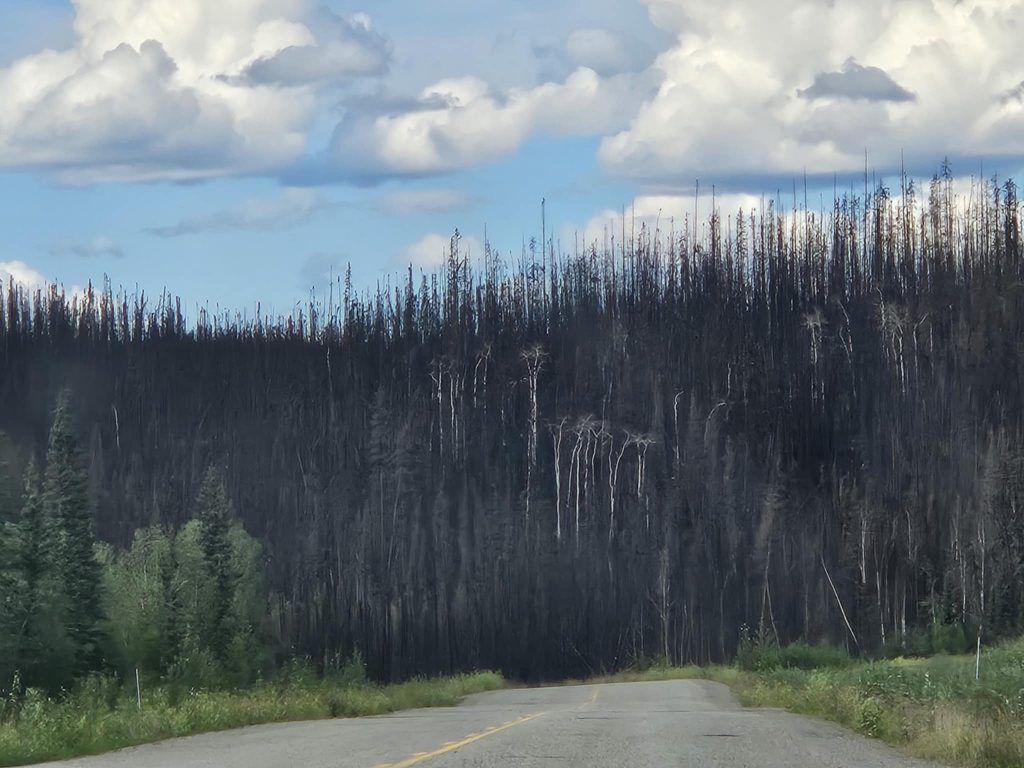

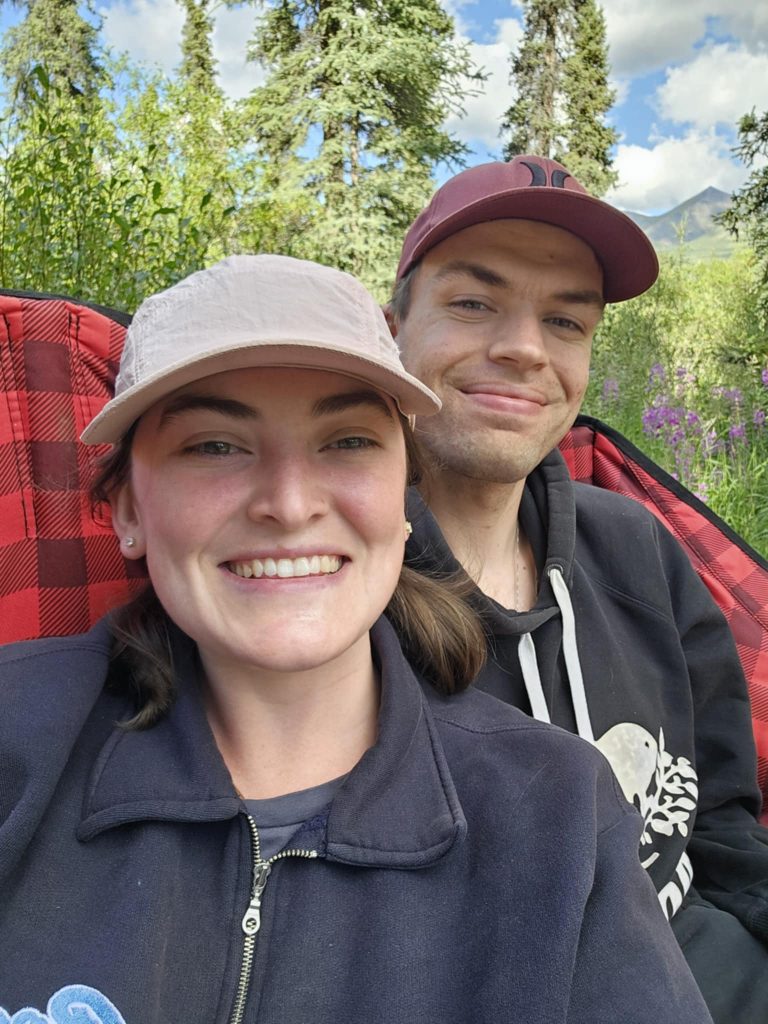


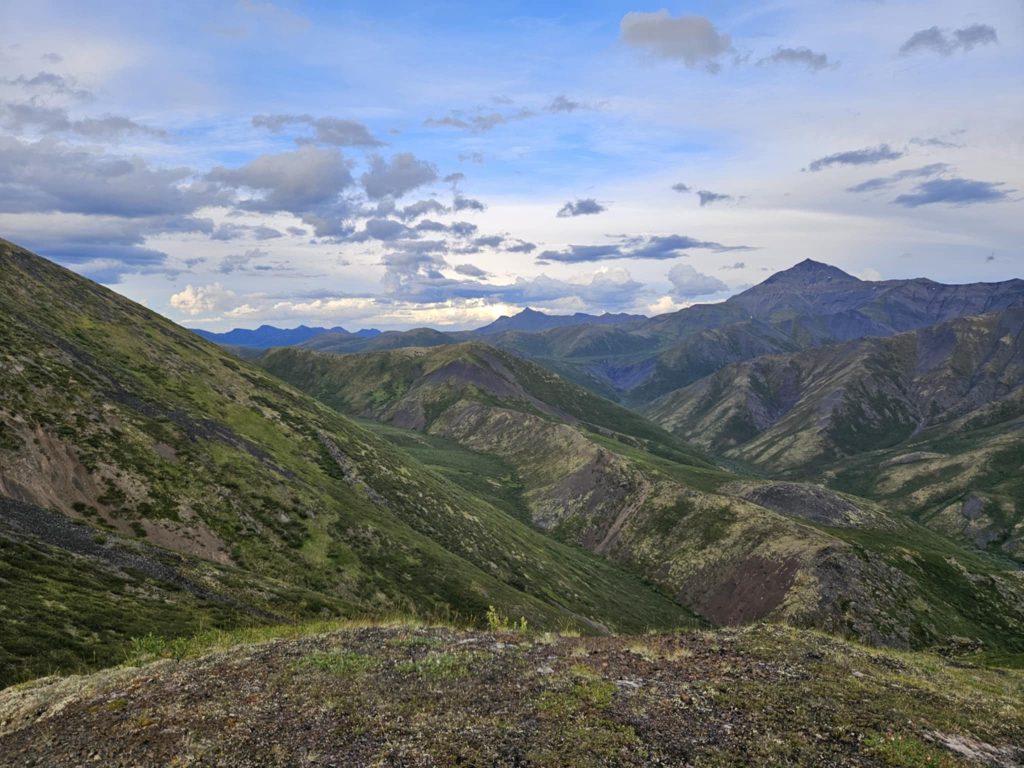
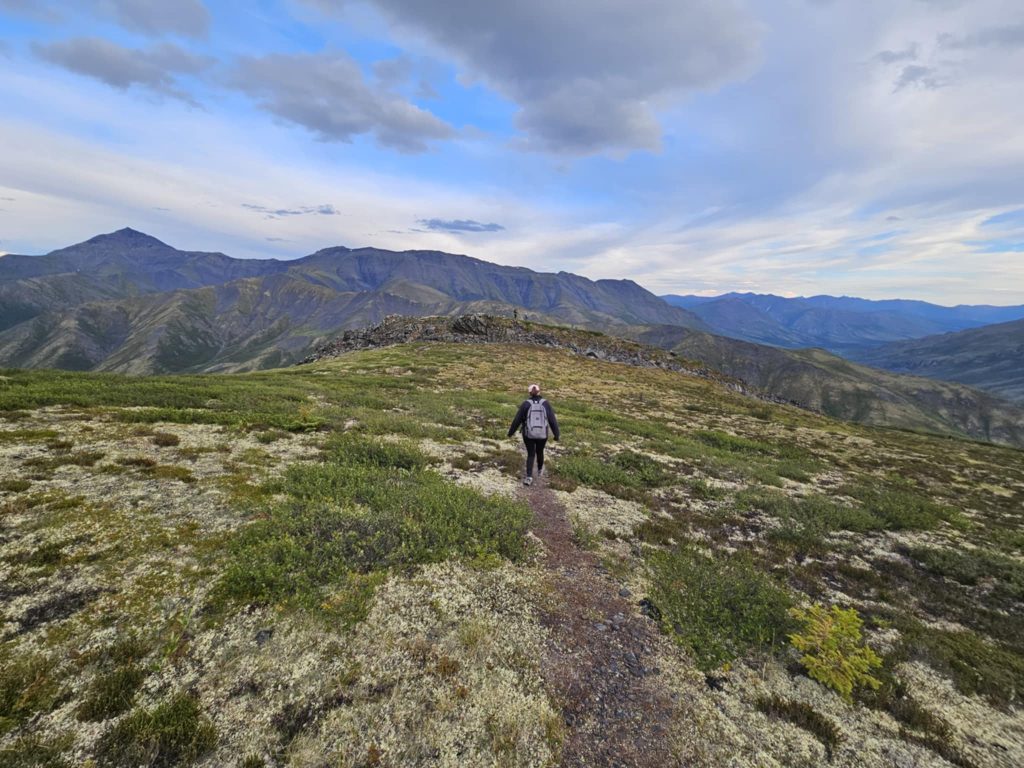



This is a gallery of photos from the trip my fiancé and I took from Whitehorse to the Artic Circle.
Photo 1: Driving into an area that had recently been the site of a wildfire. The highway had been closed and we were wondering if we would be able to do the trip at all.
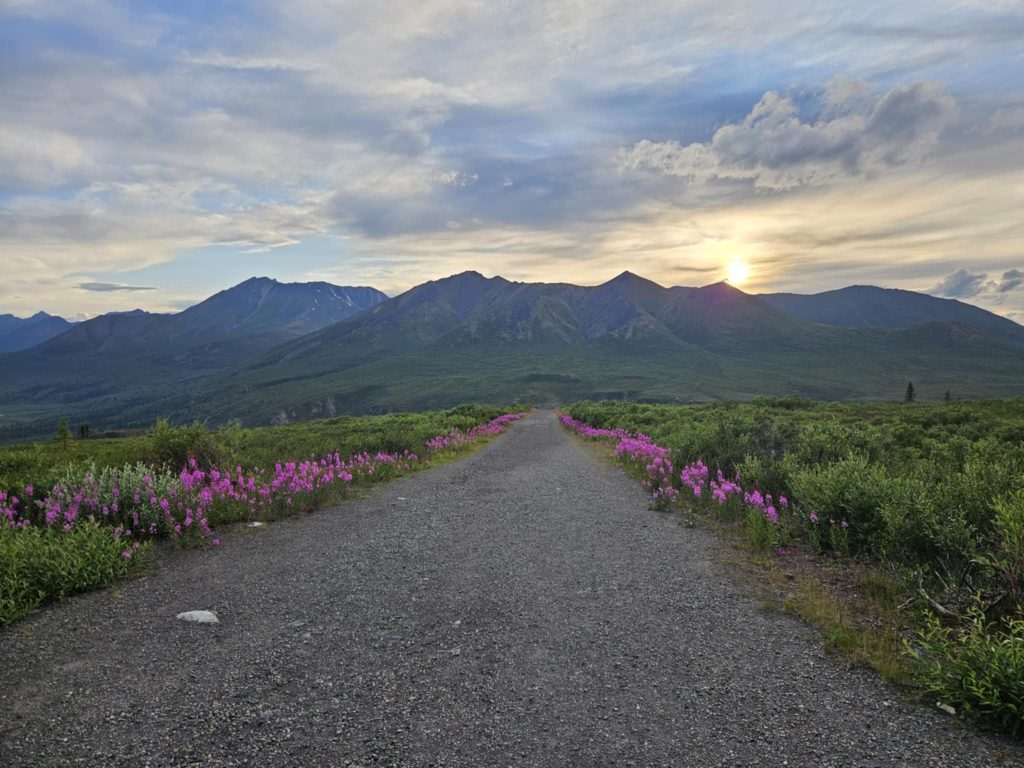
Photo 2: The start of the Dempster Highway
Photo 3: Day one of camping at Tombstone Territorial Park
Photo 4: Landscape from the North Klondike Trail in Tombstone Territorial Park
Photo 5: Making Labrador tea from freshly harvested Labrador tea leaves
Photo 6: The end of Tombstone’s Golden Sides Trail
Photo 7: Me following a “route” (not a trail – not maintained by anyone, but travelled by hikers) at the end of the Golden Sides Trail
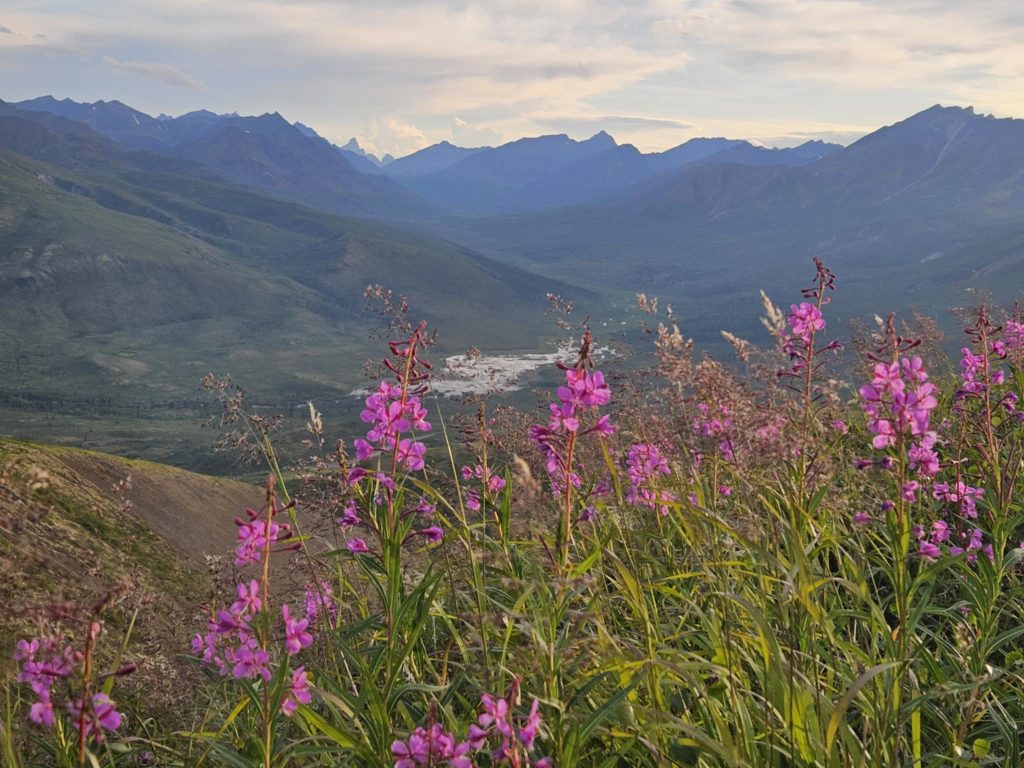
Photo 8: Fireweed in front of the Tombstone Mountain Range
Photo 9: The other end of the Golden Sides Trail
Photo 10: We were truly in the land of the midnight sun. This photo was taken around 11pm. It never got much darker than that, lovely for hiking in the mountains, but a little disorienting for these Ontarians.
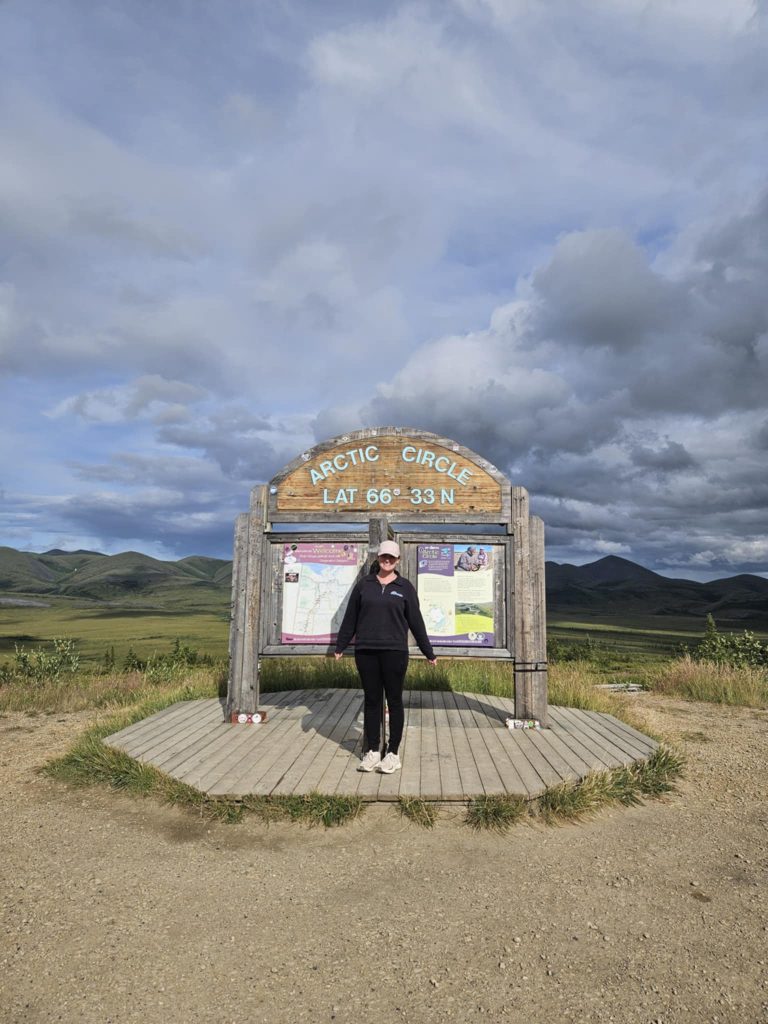
Photo 11: We continued up the Dempster and reached the Arctic Circle
Photo 12: 65 km further up the highway, we reached the Yukon/Northwest Territories border. Around here we found some snow and made some snowballs.
Photo 13: After our trek on the Dempster, we spent a couple of nights in Dawson City. This is a view from the Midnight Dome of the dredging for gold from several decades ago, the mounds on the side of the river lasting remnants of gold mining activity in the area. Gold mining remains an important and regular economic activity in Dawson and the surrounding area, with a recent boom.
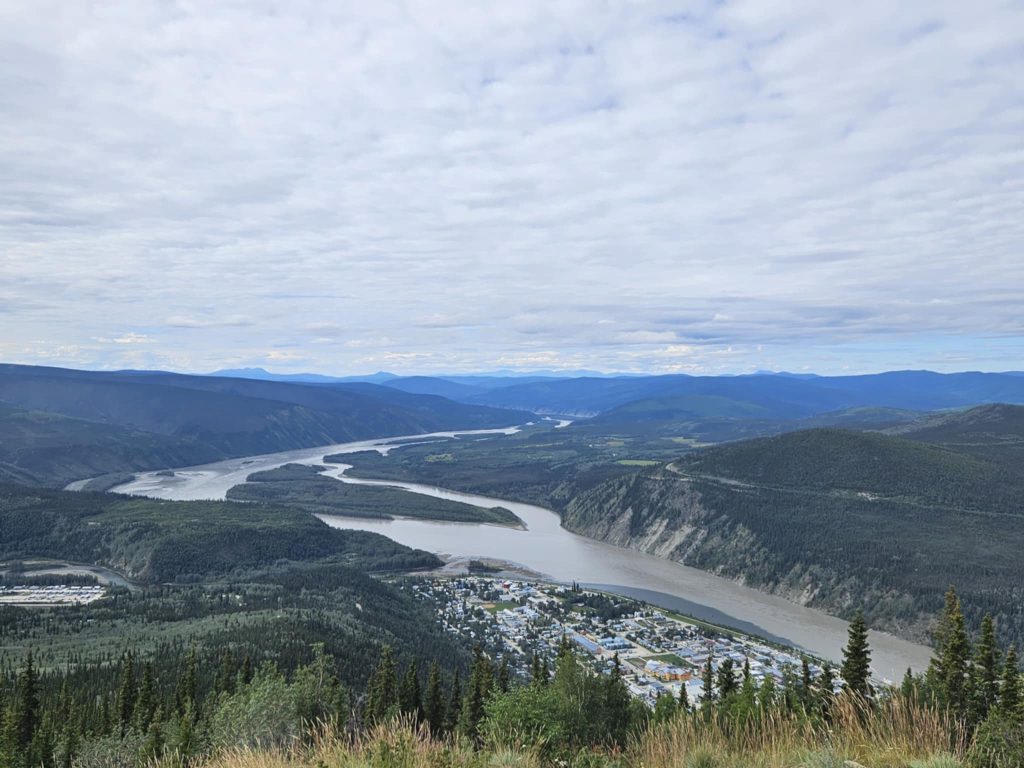
Photo 14: View of Dawson City from the Midnight Dome. You can see where the Klondike River meets the Yukon River.